
إضاءة HRLUX | أنِر العالم، وشغّل المستقبل


إضاءة HRLUX | أنِر العالم، وشغّل المستقبل
لا يقتصر اختيار مصابيح الشوارع بتقنية LED على انتقاء المصباح الذي يبدو الأكثر سطوعًا على الورق. فهناك معياران يحددان مدى كفاءة أداء مصباح الشارع في ظروف الإضاءة الخارجية الحقيقية: الكفاءة الضوئية، التي توضح مدى كفاءة المصباح في تحويل الطاقة إلى ضوء مرئي، ومؤشر تجسيد اللون، الذي يوضح مدى طبيعية ظهور الألوان تحت هذا الضوء. يساعد فهم هذين المعيارين المدن والمقاولين ومديري المرافق ومالكي العقارات على مقارنة حلول الإضاءة الخارجية بثقة أكبر وتجنب دفع مبالغ مقابل أداء لا يحتاجونه فعليًا.
تُشير الكفاءة الضوئية إلى كمية الضوء المرئي التي يُنتجها المصباح لكل واط من الكهرباء المُستهلكة، بينما يُحدد مؤشر تجسيد اللون مدى دقة هذا الضوء في إظهار ألوان الأجسام مقارنةً بمصدر ضوء مرجعي. ببساطة، تُعنى الكفاءة الضوئية بالكفاءة، بينما يُعنى مؤشر تجسيد اللون بالجودة البصرية. بالنسبة لمصابيح الشوارع بتقنية LED، يُفضل عادةً تحقيق التوازن بين هذين العاملين بدلاً من التركيز على أحدهما على حساب الآخر.
تُقاس كفاءة الإضاءة بوحدة لومن لكل واط. يشير اللومن إلى شدة الإضاءة، بينما يشير الواط إلى استهلاك الطاقة، لذا فإن ارتفاع معدل اللومن لكل واط يعني عمومًا أن المصباح قادر على توفير إضاءة أكثر باستهلاك طاقة أقل. لهذا السبب، تُعد كفاءة الإضاءة من أهم المواصفات في الإضاءة الموفرة للطاقة.
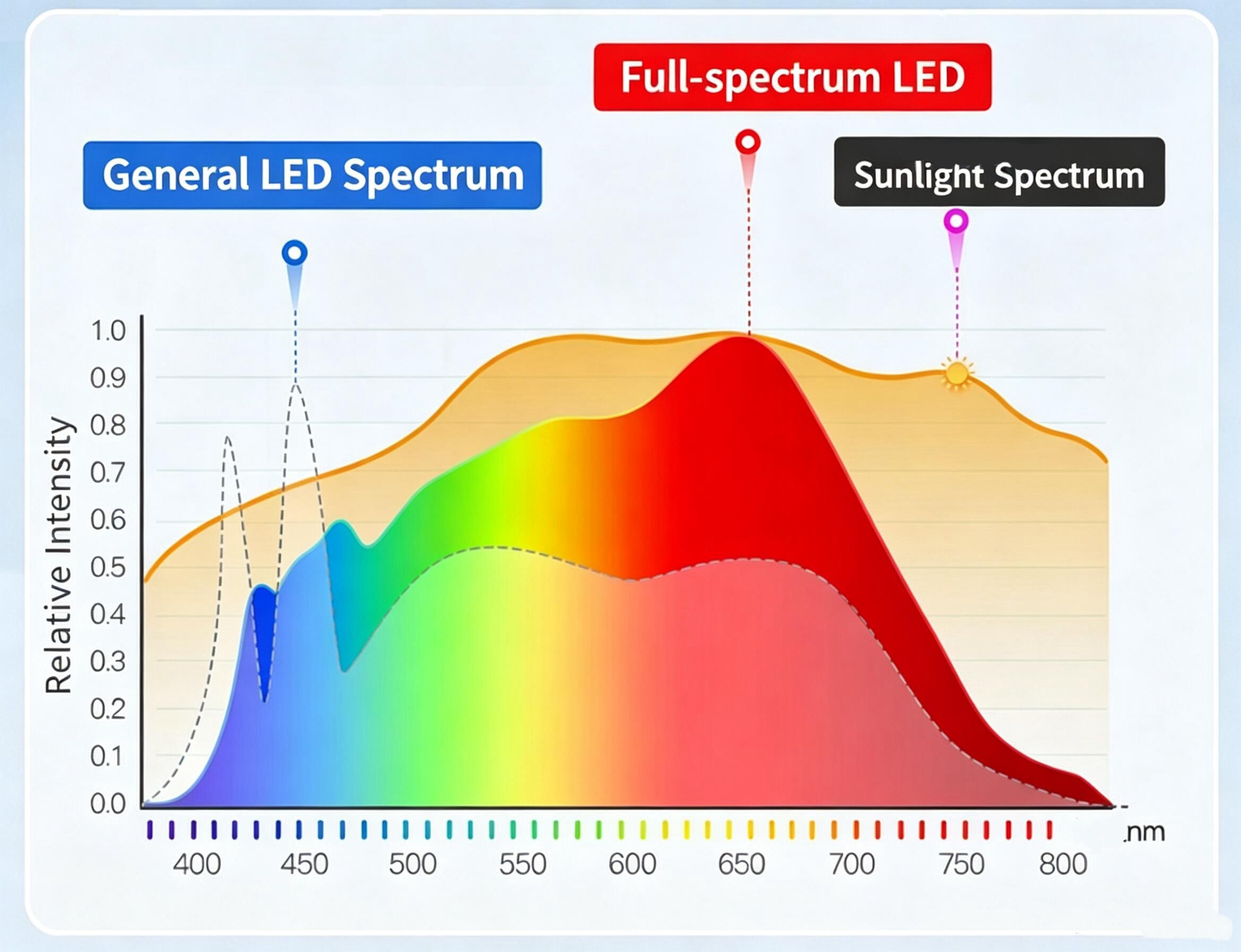
يُقاس مؤشر تجسيد اللون (CRI) على مقياس يتراوح عادةً بين 0 و100. كلما ارتفع مؤشر تجسيد اللون، بدت الألوان أكثر طبيعية وأسهل تمييزًا. في إنارة الشوارع، يؤثر هذا على كيفية إدراك الناس لعلامات الطرق، والمركبات، والمناظر الطبيعية، واللافتات، والملابس، والمخاطر المحتملة بعد حلول الظلام.
تُفسر الكفاءة الضوئية إحدى أبرز مزايا إضاءة LED: الإضاءة القوية مع استهلاك أقل للطاقة. فغالباً ما يوفر المصباح ذو الكفاءة العالية مستوى الإضاءة المطلوب باستهلاك طاقة أقل من المصباح الأقل كفاءة. وعلى مدار ساعات تشغيل طويلة، يؤثر هذا الفرق على تكاليف التشغيل، وتصميم النظام، وخطط الصيانة طويلة الأجل.
على سبيل المثال، قد يُسوّق نوعان من مصابيح الشوارع على أنهما مناسبان للطرق أو مواقف السيارات أو الممرات. إذا كان أحدهما يُنتج شدة الإضاءة المطلوبة باستهلاك طاقة أقل، فإنه عادةً ما يكون الأكثر كفاءة. هذا لا يجعله بالضرورة الأفضل في جميع الاستخدامات، ولكنه يُعطي المشترين نقطة انطلاق أوضح لمقارنة شدة الإضاءة.
من المهم التمييز بين كفاءة وحدة الإضاءة وكفاءة الشريحة. قد تُختبر مكونات LED في ظروف مثالية، بينما يشمل مصباح الشارع الكامل العدسات، والهياكل، والمحركات، ونظام إدارة الحرارة، وفقدان الطاقة الضوئية. عند مراجعة المواصفات، ركّز على أداء وحدة الإضاءة الكاملة كلما أمكن، لأنه أقرب إلى ما سيوفره المنتج المُركّب فعليًا.
لا يزال الكثيرون يربطون شدة الإضاءة بالواط، لأن تقنيات الإضاءة القديمة رسّخت لدى المستهلكين فكرة ربط القدرة الكهربائية العالية بإضاءة أقوى. مع تقنية LED، قد يكون هذا الاختصار مُضللاً. فالواط يُشير إلى مقدار الطاقة التي يستهلكها المصباح، وليس إلى كمية الضوء المفيدة التي تصل إلى الطريق أو الرصيف أو الأماكن العامة.
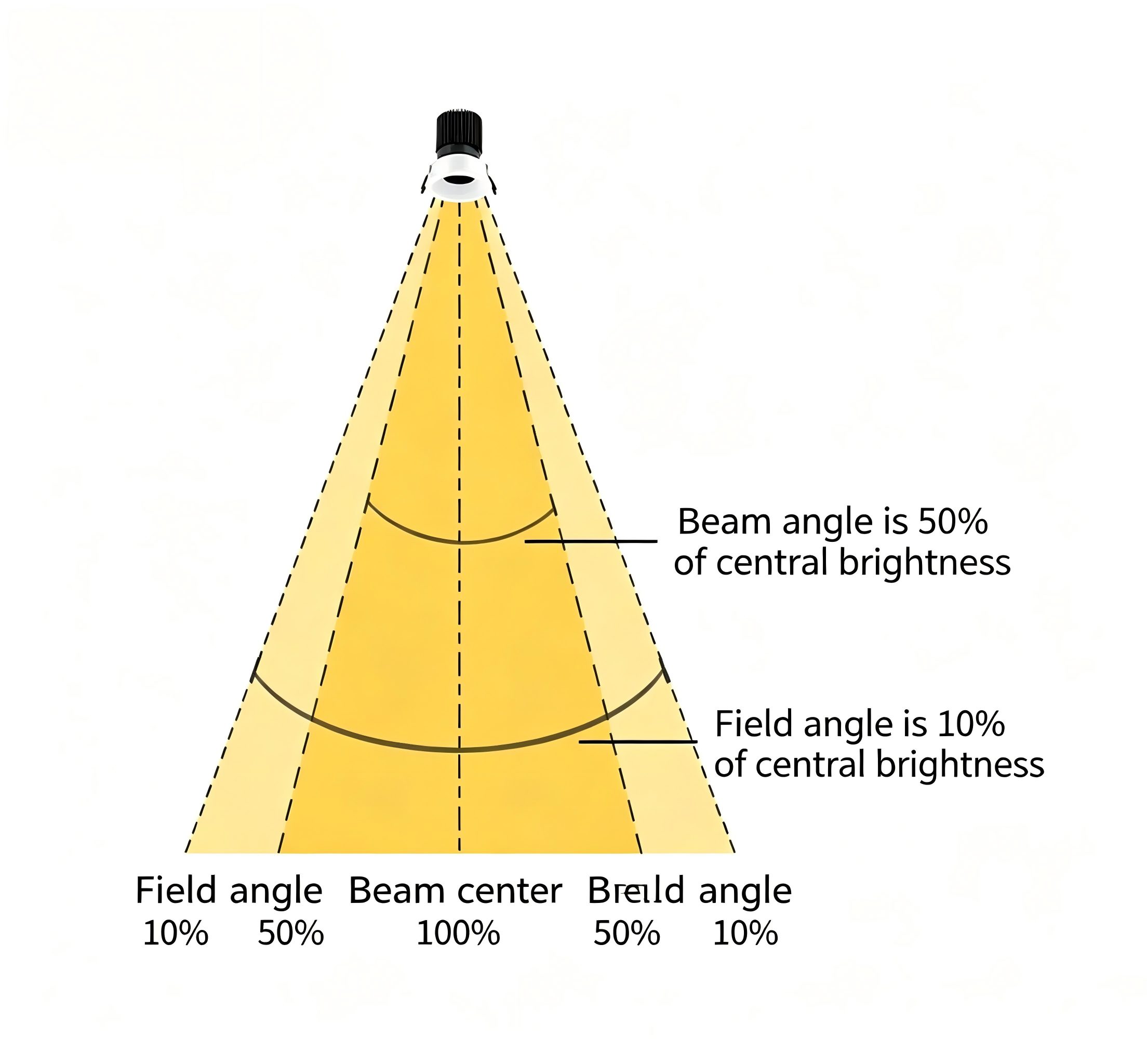
تُعدّ اللومن مقياسًا أفضل لإجمالي ناتج الضوء المرئي. مع ذلك، لا تكفي اللومن وحدها لتوضيح الصورة كاملة. فقد يُهدر مصباح ذو لومن عالٍ الضوء إذا وجّهت عدساته كمية كبيرة منه إلى الأعلى أو الجوانب أو إلى مناطق لا تحتاج إلى إضاءة. بالنسبة لإضاءة الشوارع، يعتمد السطوع المُفيد على ناتج اللومن، وتوزيع الشعاع، وارتفاع التركيب، والمسافة بين المصابيح، والسطح المُضاء.
عند مقارنة مصابيح الشوارع بتقنية LED، راجع الأرقام معًا بدلاً من مراجعة كل رقم على حدة:
اللومن المُوَصَّل: كمية الضوء المرئي الذي يُنتجه الجهاز.
استهلاك الطاقة بالواط: مقدار الكهرباء التي يستهلكها الجهاز.
الكفاءة الضوئية: عدد اللومن المنتجة لكل واط.
التوزيع البصري: المكان الذي يتم فيه توجيه الضوء بعد خروجه من وحدة الإضاءة.
ارتفاع التركيب والمسافة بين العناصر: ما إذا كان نمط الإضاءة مناسبًا للتركيب الفعلي.
التحكم في الوهج: ما إذا كانت الرؤية تتحسن دون التسبب في سطوع مزعج.
درجة حرارة اللون: ما إذا كان مظهر الضوء مناسبًا للإعداد والتوقعات المحلية.
مؤشر تجسيد اللون: ما إذا كانت تفاصيل اللون مهمة للبيئة التي يتم إضاءتها.
تمنع هذه القائمة المرجعية خطأً شائعاً: اختيار أعلى مستوى إضاءة متاح والاعتقاد بأنه سيحقق أفضل النتائج. في العديد من حلول الإضاءة الخارجية، لا يكمن الهدف في الحصول على أقصى قدر من الإضاءة، بل في توفير الكمية المناسبة من الضوء في المكان المناسب بأقل قدر ممكن من الهدر.
يُعدّ مؤشر تجسيد الألوان بالغ الأهمية، لأنّ الرؤية لا تقتصر على مدى سطوع الطريق فحسب، بل يعتمد الناس أيضاً على تباين الألوان لتحديد الأشياء، وقراءة اللافتات، والتعرّف على المركبات، وتقييم المحيط، والشعور بالاتجاه في الأماكن العامة. وقد يؤدي استخدام مصباح شارع ذي تجسيد ألوان ضعيف إلى جعل المشهد يبدو باهتاً أو مشوّهاً حتى وإن بدت المنطقة ساطعة.
في مصابيح الشوارع بتقنية LED، يُعدّ مؤشر تجسيد اللون (CRI) ذا أهمية خاصة في الأماكن التي يتواجد فيها المشاة، وراكبو الدراجات، وكاميرات المراقبة، وواجهات المحلات، ومداخل المنازل، والحرم الجامعية، والحدائق، والمساحات متعددة الاستخدامات. هذه أماكن يحتاج فيها الناس إلى أكثر من مجرد إضاءة أساسية؛ فهم بحاجة إلى معلومات بصرية واضحة ومريحة وموثوقة.
مع ذلك، ليس بالضرورة أن يكون أعلى مؤشر تجسيد لوني (CRI) ضروريًا لكل طريق. فبعض التطبيقات تعطي الأولوية للإضاءة الموفرة للطاقة، والمسافات الواسعة بين المصابيح، ووضوح الرؤية على الرصيف، أو خفض تكاليف التشغيل. وقد لا يحتاج طريق الخدمة، أو محيط المنطقة الصناعية، أو المنطقة ذات النشاط المنخفض إلى نفس جودة اللون التي يحتاجها ممر المشاة في وسط المدينة أو الساحة العامة.
لا يغني مؤشر تجسيد اللون (CRI) عن تصميم الإضاءة المناسب، ولكنه يُسهم في تحسين الإدراك البصري. فعندما يسهل تمييز الألوان، يسهل على الناس ملاحظة العوائق، وتغيرات الأسطح، والأرصفة، واللافتات، والعلامات، والأجسام المتحركة. وهذا أحد أسباب مناقشة جودة اللون غالبًا جنبًا إلى جنب مع الرؤية، والراحة، وسهولة الاستخدام ليلًا.
قد يؤثر ضعف عرض الألوان أيضاً على إحساس المكان. فإذا جعلت الإضاءة كل شيء يبدو باهتاً أو قاسياً أو غير طبيعي، فقد يبدو المكان أقل جاذبية. بالنسبة للمشاريع العامة، والمتاجر، والمجمعات السكنية، ومناطق المشاة، قد يكون لهذا الانطباع أهمية تضاهي مستوى السطوع الفعلي.
ينبغي تحقيق التوازن بين كفاءة الإضاءة ومؤشر تجسيد اللون (CRI) من خلال البدء بتحديد الغرض من المكان، ثم اختيار وحدة الإضاءة التي تلبي احتياجات الرؤية دون إهدار الطاقة. إذا كان الموقع مخصصًا بشكل أساسي للمركبات، فقد تكون الإضاءة الموحدة وكفاءة الإضاءة هما الأولوية. أما إذا كان الناس يقضون وقتًا في المشي أو التجمع أو التسوق أو استخدام الكاميرات في المنطقة، فقد يكون مؤشر تجسيد اللون (CRI) أكثر أهمية.
يكمن السر في تجنب اعتبار أي من الرقمين مجرد مواصفة للتفاخر. فقد لا تُضيء وحدة إضاءة عالية الكفاءة ذات تحكم بصري ضعيف الأرض بشكل فعال. كما أن وحدة إضاءة ذات مؤشر تجسيد لوني عالٍ تستهلك طاقة أكثر من اللازم قد لا تكون الخيار الأمثل لشبكة طرق واسعة. يراعي تصميم الإضاءة الجيد الأداء والراحة والتكلفة والسياق معًا.
تُعدّ كفاءة الإضاءة من أهمّ الأولويات في المشاريع التي تتضمن العديد من وحدات الإضاءة، أو ساعات تشغيل طويلة ليلاً، أو أهدافاً لترشيد استهلاك الطاقة. كما أنها مهمة أيضاً عندما تستبدل المؤسسة وحدات إضاءة قديمة وتسعى إلى خفض استهلاكها للكهرباء. في هذه الحالات، حتى التحسينات الطفيفة في كفاءة كل وحدة إضاءة على حدة تُصبح ذات أثر ملموس على مستوى التركيب بأكمله.
قد تشمل المشاريع التي تركز على الكفاءة ما يلي:
تحديثات إضاءة الشوارع البلدية.
مواقف سيارات واسعة ومناطق لوجستية.
الطرق الصناعية المؤدية إلى المناطق الصناعية وساحات الخدمة.
طرق الحرم الجامعي ذات عدد كبير من التجهيزات.
برامج الإضاءة الخارجية التي تديرها شركات المرافق.
في هذه الظروف، يمكن لمنتج LED المناسب أن يساهم في خفض استهلاك الطاقة مع الحفاظ على مستويات إضاءة ملائمة. ويجب أن يراعي القرار عوامل التوزيع، والوهج، والمتانة، وسهولة الصيانة.
تزداد أهمية مؤشر تجسيد الألوان (CRI) عندما يحتاج الناس إلى تفسير التفاصيل، أو تمييز الألوان، أو الشعور بالراحة في البيئة المضاءة. غالبًا ما تستفيد المناطق المزدحمة بالمشاة من تحسين تجسيد الألوان لأن المهمة البصرية فيها أكثر تعقيدًا من مجرد رؤية الرصيف أمامها. وينطبق الأمر نفسه على المناطق التي تلتقط فيها الكاميرات الوجوه أو المركبات أو الأحداث.
قد يستحق مؤشر CRI اهتمامًا إضافيًا في:
مشاهد شوارع وسط المدينة.
الشوارع السكنية ومداخل الأحياء السكنية.
الحدائق والمسارات وممرات المشاة.
مواقف السيارات المخصصة للمتاجر.
محطات النقل العام والساحات العامة.
البيئات المدرسية أو الصحية أو الجامعية.
المواقع الحساسة أمنياً حيث يكون التعرف البصري مهماً.
الهدف ليس الإفراط في تحديد مواصفات كل جهاز إضاءة، بل هو مطابقة أداء الألوان مع الاحتياجات البصرية الحقيقية للمكان.
قد تبدو ورقة مواصفات مصابيح الشوارع بسيطة للوهلة الأولى، لكن قد يُساء فهم بعض الأرقام عند النظر إليها بشكل منفصل. إن فهم هذه المفاهيم الخاطئة يُسهّل اختيار مصابيح الشوارع بتقنية LED التي تعمل بكفاءة عالية بعد التركيب، وليس فقط عند مقارنة المنتجات.
قد يُفيد استخدام إضاءة ذات شدة عالية في المناطق ذات الإضاءة الخافتة، لكن الإضاءة الزائدة قد تُسبب وهجًا أو تداخلًا ضوئيًا أو عدم انتظام الرؤية. كما أن تركيبات الإضاءة التي تُسلط ضوءًا ساطعًا على النوافذ القريبة أو عيون السائقين قد تُقلل من الراحة وتُثير الشكاوى. تعتمد حلول الإضاءة الخارجية الجيدة على البصريات والموقع للتحكم في الضوء، وليس مجرد زيادة شدته.
في مصابيح LED، قد يعني ارتفاع القدرة الكهربائية ببساطة زيادة استهلاك الطاقة. فإذا كان مصباحان يوفران نفس كمية الضوء وتوزيعه، فقد يكون الخيار الأقل قدرة كهربائية أكثر كفاءة. ولهذا السبب تُعدّ كفاءة الإضاءة مفيدة جدًا لإجراء مقارنة عادلة للسطوع.
يُشير مؤشر تجسيد اللون (CRI) إلى مدى دقة عرض الألوان، ولكنه لا يُحدد ما إذا كان الضوء دافئًا أو محايدًا أو باردًا. يُوصف هذا المظهر بدرجة حرارة اللون. فقد يكون لضوء الشارع مظهر بارد مع الحفاظ على جودة عرض ألوان جيدة، أو مظهر دافئ مع خصائص عرض مختلفة.
حتى أفضل أنواع المصابيح قد لا تعمل بكفاءة إذا تم تركيبها على ارتفاع أو مسافة أو زاوية أو موقع غير مناسب. يجب اختيار إضاءة الشوارع كجزء من نظام متكامل. تؤثر الأعمدة والبصريات وعرض الطريق والمباني المحيطة والأشجار وحركة المشاة جميعها على النتيجة النهائية.
أفضل طريقة لاختيار مصابيح إنارة الشوارع بتقنية LED هي البدء من التطبيق ثم الانتقال إلى التطبيق. بدلاً من البدء بقوة كهربائية مفضلة أو اختيار الخيار الأكثر سطوعاً من الكتالوج، حدد ما يحتاجه المكان لتحقيقه بعد حلول الظلام. ثم قارن بين المصابيح بناءً على مدى كفاءتها وراحتها في تلبية هذا المطلب.
استخدم هذه العملية كدليل عملي:
حدد المنطقة والمهمة. حدد ما إذا كان الجهاز سيخدم المركبات أو المشاة أو مواقف السيارات أو الأمن أو التوجيه أو مزيجًا من الاستخدامات.
اضبط مستوى الإضاءة المطلوب وتجانسها. الهدف هو الحصول على رؤية ثابتة وقابلة للاستخدام، وليس بقعًا ساطعة محاطة بظلال.
قارن بين اللومن والواط المُوَصَّلين. استخدم الكفاءة الضوئية لفهم أداء الطاقة.
راجع توزيع شعاع الضوء. تأكد من أن المصباح يوجه الضوء إلى حيث الحاجة إليه ويحد من انتشاره في الأماكن غير المرغوب فيها.
قم بتقييم مؤشر تجسيد اللون (CRI) للمكان. أعطِ أهمية أكبر لتجسيد اللون في المناطق المخصصة للمشاة، ومتاجر التجزئة، والمناطق السكنية، والمناطق التي تركز على الأمن.
ضع في اعتبارك درجة حرارة اللون والوهج. اختر مظهرًا خفيفًا وتصميمًا بصريًا يدعم الراحة.
انظر إلى احتياجات الصيانة طوال فترة الاستخدام. فكّر في سهولة الوصول، والمتانة، وتخطيط الاستبدال، وأداء السائق.
تأكد من توافقها مع أدوات التحكم. يمكن لتقنيات التعتيم والمؤقتات وأجهزة الاستشعار وأدوات التحكم الذكية أن تعزز استراتيجيات الإضاءة الموفرة للطاقة.
تضمن هذه العملية أن يكون القرار مبنياً على الأداء. كما أنها تساعد على تجنب المبالغة في شراء سطوع عالٍ أو التقليل من شأن الراحة البصرية.
يُجيب كلٌّ من كفاءة الإضاءة ومؤشر تجسيد الألوان على أسئلة مختلفة، لكنها متساوية في الأهمية. فكفاءة الإضاءة تسأل: "ما مدى كفاءة هذا المصباح في إنتاج الضوء المرئي؟" بينما يسأل مؤشر تجسيد الألوان: "ما مدى طبيعية ووضوح الألوان تحت هذا الضوء؟" معًا، يُساعدان في تحويل قائمة المنتجات المُربكة إلى قرارٍ أكثر وضوحًا.
في معظم مشاريع إنارة الشوارع بتقنية LED، يتحقق أفضل النتائج من خلال التوازن. فالمصابيح الموفرة للطاقة تساعد في التحكم في استهلاك الطاقة، بينما يدعم عرض الألوان المناسب الرؤية والراحة. وعند دمج هذه المعايير مع بصريات جيدة، ومواقع مدروسة، وأنظمة تحكم ملائمة، تصبح أدوات عملية لبناء بيئات خارجية أكثر أمانًا، وأكثر ملاءمة للاستخدام، وأكثر مسؤولية.
عند مقارنة مصابيح الشوارع بتقنية LED، ابدأ باحتياجات المكان، وليس بأكبر رقم في ورقة المواصفات. انظر إلى كفاءة الإضاءة من حيث كفاءة استهلاك الطاقة، ومؤشر تجسيد اللون (CRI) من حيث جودة الصورة، والتصميم الكامل للوحدة للحصول على نتائج عملية. من خلال هذا النهج المتوازن تبدأ فوائد إضاءة LED الحقيقية.
س1. ما الفرق بين الكفاءة الضوئية و CRI؟
تقيس الكفاءة الضوئية مدى كفاءة تحويل المصباح للطاقة إلى ضوء مرئي (لومن لكل واط)، بينما يقيس مؤشر تجسيد اللون مدى دقة ظهور الألوان تحت هذا الضوء. الكفاءة تتعلق بالكفاءة، بينما يتعلق مؤشر تجسيد اللون بالجودة البصرية.
س2. متى يجب أن تكون فعالية الإضاءة هي الأولوية الرئيسية؟
تكتسب الفعالية أهمية بالغة في المشاريع واسعة النطاق التي تحتوي على العديد من التركيبات أو ساعات تشغيل طويلة، مثل الطرق البلدية ومواقف السيارات والمناطق الصناعية، حيث تتراكم حتى المدخرات الصغيرة لكل تركيب بشكل كبير.
س3. متى يستحق مؤشر الاستجابة للحوادث اهتماماً أكبر من الفعالية؟
تزداد أهمية مؤشر CRI في المناطق التي يكثر فيها المشاة، ومناطق البيع بالتجزئة، والمناطق السكنية، والمناطق الحساسة أمنياً، حيث يحتاج الناس إلى تمييز الألوان، وقراءة اللافتات، أو تحديد الأشياء بوضوح من أجل الراحة والسلامة.
س4. ما هي الأخطاء الشائعة التي يرتكبها المشترون عند مقارنة مصابيح الشوارع بتقنية LED؟
غالباً ما يفترضون أن زيادة شدة الإضاءة أو القدرة الكهربائية تعني إضاءة أفضل، ويخلطون بين مؤشر تجسيد اللون ودرجة حرارة اللون. يعتمد الاختيار الأمثل على شدة الإضاءة المُقدمة، والتوزيع البصري، وظروف التركيب، والاحتياجات البصرية الفعلية للمكان.
HRLUXSOLAR يركز على إضاءة خارجية متوسطة إلى عالية الجودة بمعايير جودة صارمة وفريق عمل دقيق ومسؤول، نعتبر الجودة جوهر عملنا والاحترافية أساسه، لنقدم منتجات إضاءة خارجية مستقرة ومتينة. نتخصص في تقديم خدمات احترافية لمشاريع الهندسة البلدية والتجارية، ونوفر حلول إضاءة مصممة خصيصًا لضمان سلاسة تنفيذ المشاريع. ندعم التخصيص المرن والتسليم الفعال والدعم الفني الشامل لتلبية مختلف متطلبات المشاريع. انطلاقًا من التزامنا بأن نكون شريككم الموثوق في مجال الإضاءة الخارجية، تواصل HRLUXSOLAR التطوير المستمر لتقديم قيمة إضاءة أفضل لمشاريعكم.
هل تحتاج إلى محاكاة Dialux لمشروعك؟ انقر هنا للحصول على خطة إضاءة مجانية.
احصل على عرض سعر
امسح ضوئيًا إلى WeChat/WhatsApp :